

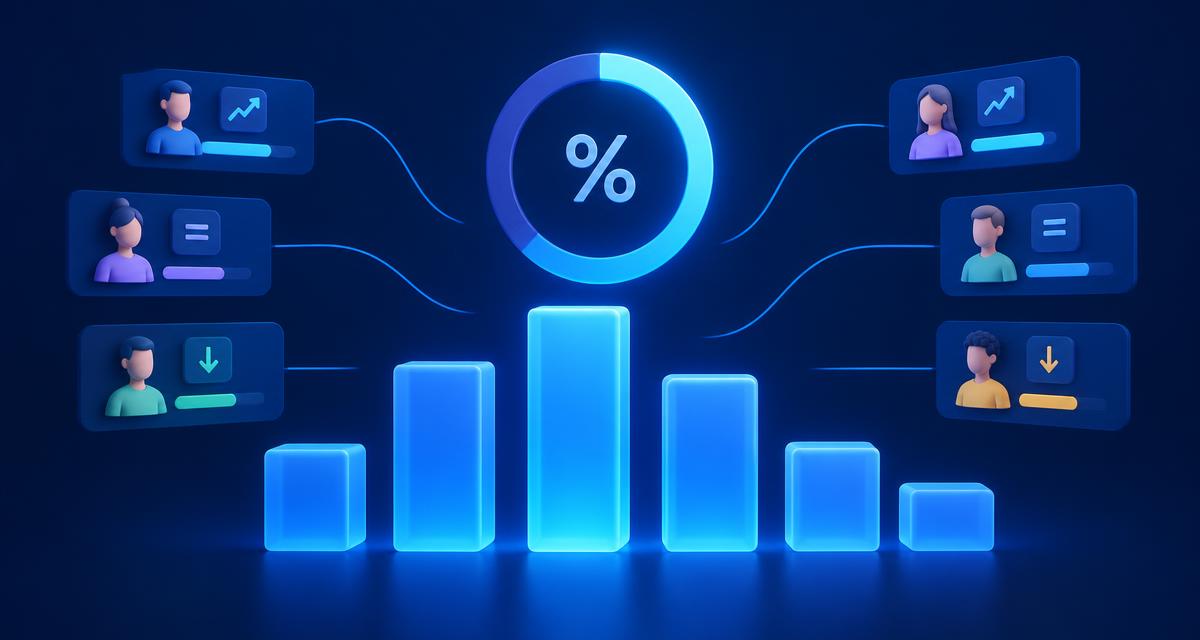
Polymarket is a prediction market platform where people trade on the outcome of real-world events. If you've ever asked what is Polymarket, the short answer is: a marketplace where prices reflect probability, not certainty.
What Is Polymarket, In Plain Terms
On Polymarket, each question — like an election, an economic release, or a sports result — has shares for each possible outcome. Shares trade between 1 and 99 cents. A winning share pays $1.00; a losing share pays $0.
For example, a YES share priced at 62 cents pays $1.00 if YES happens. Profit is 38 cents per share. If NO happens instead, that share pays $0, and the buyer loses the 62 cents paid for it.
Polymarket uses USDC, a US-dollar-pegged stablecoin, to fund accounts and settle trades. Prices move constantly as new information arrives and as traders buy or sell shares throughout the life of a market.
Because a share can only ever be worth $1.00 or $0.00 at resolution, the current price sits somewhere in between, reflecting collective uncertainty about which outcome will occur.
How Prices Reflect Probability
The market price of a share is often read as the crowd's implied probability of that outcome happening. A 62-cent price roughly implies a 62% chance, according to current trading activity at that moment.
This reading is useful but imperfect. Prices can be wrong, thinly traded, or slow to react to new information, especially in smaller or less popular markets. They are estimates, not facts.
Traders update these estimates by buying shares they think are underpriced and selling shares they think are overpriced. Over time, this buying and selling activity is what moves the price toward a new consensus.
Why People Use Prediction Markets
People use platforms like Polymarket to speculate on events, express a view they can't easily express elsewhere, or study how public sentiment shifts around news events. None of this guarantees a profit; prices can move against you at any time, and you can lose your entire stake on a single trade.
Some people also use these markets to track real-time sentiment on topics like elections or policy decisions, treating the price itself as a kind of aggregated forecast, while understanding that forecast can be wrong.
To learn the mechanics behind these prices in more depth, see how prediction markets work. Trading also involves costs, which are covered in detail in Polymarket fees.
Availability Depends On Your Country
Access to Polymarket depends on where you live, and the rules around this can vary and change over time. This is a factual and practical point, not a matter of preference.
Always check the countries page for current information before assuming you can use the platform from your location. Rules can differ meaningfully between jurisdictions and can be updated without much notice.
Getting Started Basics
If you decide to explore further after understanding the basics, the practical steps typically involve creating an account, depositing funds, and then placing trades. Each of these steps has its own considerations worth reading about first.
- Signing up: see the sign-up guide for the account creation process.
- Funding your account: see the deposit guide for how funding works.
- Placing trades: see the trading guide for order basics.
These guides walk through each stage in more detail, including what information you may need and what to watch for along the way.
Risk And Responsible Use
Prediction market trading carries real financial risk. Prices can move quickly based on news, and you can lose the full amount used to buy a share if the outcome goes against you.
Never treat trading on Polymarket, or any prediction market, as a guaranteed source of income. Even well-researched positions can lose, because markets reflect probability, not certainty.
Before trading with real funds, review our responsible trading page. Understanding the basics first, including how prices form and what fees apply, can help you make more informed decisions — though never guaranteed ones.
FAQ
Below are common questions beginners ask about this platform.